No Time For Waste(water) In DC!
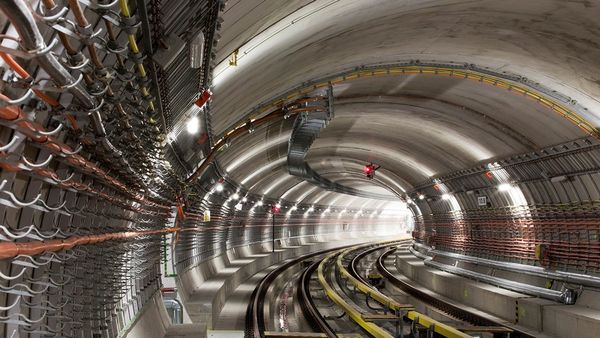
An earth-moving event is underway in Washington D.C. Only this time it’s not on Capitol Hill. This one is happening approximately 100 feet underground to fix runoff and wastewater problems that have afflicted the District of Columbia since the 1800’s.
DC Water is conducting a $2.6 billion project to install 13 miles of new sewer tunnels under the nation’s capital. This effort will be the largest infrastructure project for Washington, D.C. that most people will never see. The effort, expected to be completed in 2022, will clean up local waterways while fixing an antiquated and poorly designed wastewater infrastructure.
Around the time of the Civil War, the district installed a combined sewage system. So when it rains, storm water mixes with wastewater and overwhelms the current system. As expected, the result is disgusting!
Neighborhoods are forced to endure flooding and more than two million gallons of polluted water flow into the Potomac and Anacostia rivers, as well as Rock Creek each year. This isn’t the type of information to be found in flyers produced by the local board of tourism or in new home listings. On a positive note, the new sewer system is expected to decrease local flooding to only minimal rain water and reduce the runoff into nearby tributaries by 96 percent.
The first leg of the project was successfully completed in July 2015. The Lady Bird, a 440-foot long, 1,300 ton tunnel boring machine, completed a 4.5 mile long conduit wide enough for subway cars. After two years, Lady Bird traveled approximately 4 inches every minute, 24-hours each day for six days each week. It cleared earth and rock while also laying reinforced concrete walls as it advanced. For the next seven years, boring work for smaller passageways will continue in order to connect the remaining 8.5 miles of sewer lines to the large tunnel made by the Lady Bird.
The first update to the D.C. sewer system since the late 1800s will benefit thousands of people while improving quality of life. The underground project addresses local sewer problems that have persisted and magnified as a result of more than 100 years of urban development.
As a civil engineering recruiter, I see that mega projects to repair or replace infrastructures systems, like the improvement to D.C’s sewer system, the Crescent Corridor Extension and the future Tappan Zee Bridge, ensures a lively job market. What are some other needed infrastructure improvements to be planned and implemented?
The Metzner Group Blog